Gambling's hidden toll Understanding its impact on mental health
The Psychological Effects of Gambling
The psychological impact of gambling can be profound, influencing a person’s mental state in various ways. Many individuals may experience a temporary thrill or euphoria when they win, but this is often followed by regret and anxiety when losses occur. These emotional highs and lows can create a rollercoaster of feelings, making it difficult to maintain a stable mental state. Chronic gamblers may find themselves trapped in a cycle of chasing losses, which can exacerbate feelings of hopelessness and depression. Among online platforms, Westace Canada stands out in offering a range of games that could appeal to different players.
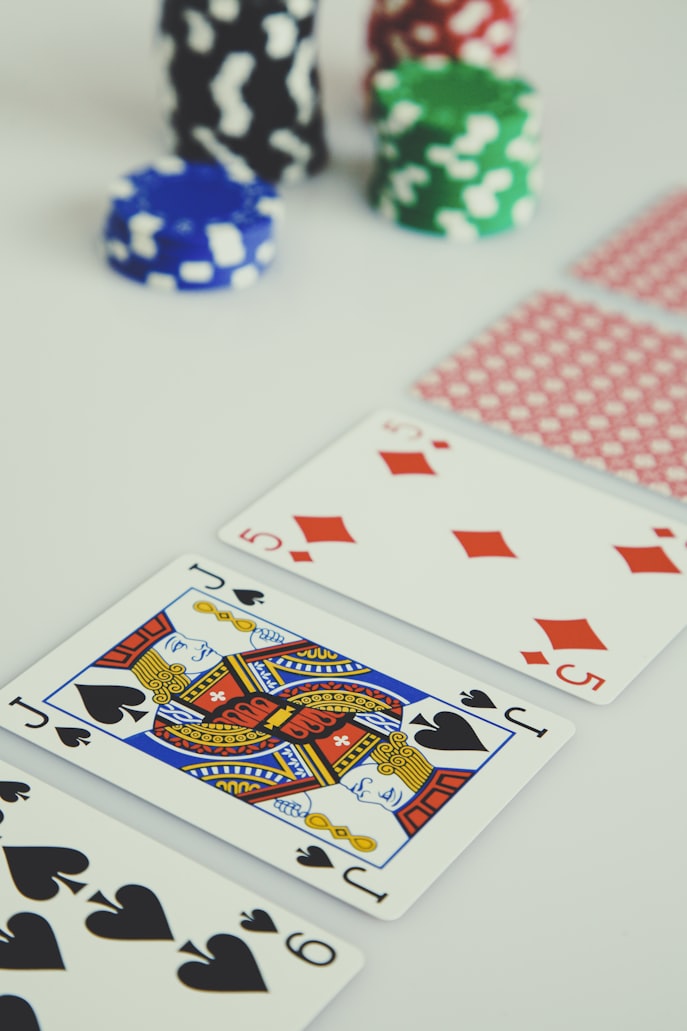
Furthermore, gambling can lead to significant changes in an individual’s personality and behavior. As they become more involved in gambling activities, they may begin to prioritize these pursuits over relationships, work, and other responsibilities. This shift can alienate friends and family, leading to isolation and increased mental stress. Over time, this detachment can morph into a compulsive gambling addiction, further complicating the person’s emotional well-being and exacerbating existing mental health issues.
The interplay between gambling and mental health issues like anxiety and depression is also noteworthy. Studies have shown that individuals with pre-existing mental health conditions are more prone to develop gambling problems. This relationship creates a vicious cycle, as gambling can worsen mental health conditions, leading to increased gambling as a coping mechanism. Understanding this connection is crucial for both individuals and healthcare providers in addressing the psychological toll of gambling.
Signs of Gambling Addiction
Identifying gambling addiction can be challenging, as it often masquerades as a harmless pastime. However, certain signs can indicate a more serious problem. A person may find themselves thinking about gambling frequently or feeling an intense need to place bets, despite negative consequences. This compulsive behavior can disrupt daily life, affecting relationships, work, and financial stability. The constant preoccupation with gambling signifies that it has moved from a recreational activity to an obsession.
Another sign of gambling addiction is the use of gambling as a coping mechanism for stress, anxiety, or depression. Individuals may gamble to escape their problems, believing that a big win could solve their financial or emotional difficulties. Unfortunately, this escape is often temporary and can lead to further financial distress, worsening their mental health. Awareness of these signs is crucial for early intervention and support.
Moreover, the secrecy surrounding gambling can further complicate the issue. Many individuals hide their gambling habits from friends and family, leading to feelings of shame and guilt. This secrecy can heighten stress levels and increase feelings of isolation, compounding existing mental health struggles. Recognizing these signs is a vital first step toward seeking help and support.
The Impact on Relationships
Gambling can have a significant impact on personal relationships, often creating rifts between partners, family members, and friends. As gambling takes precedence, relationships can suffer due to neglect and betrayal. Partners may feel betrayed when one party hides the extent of their gambling or the resulting financial difficulties. This breach of trust can lead to arguments, resentment, and even the dissolution of relationships.
Families may also be affected by the repercussions of gambling addiction. Children in homes where one parent is struggling with gambling can experience emotional trauma. They may witness financial instability, increased arguments, and an overall tense atmosphere. This environment can create long-lasting psychological scars, affecting their emotional development and mental health as they grow older.
The strain on relationships can create a feedback loop where individuals turn to gambling as an escape from relationship stress, further exacerbating their problems. Open communication and support are essential in addressing these challenges, but many individuals find it difficult to discuss their gambling issues with loved ones. Recognizing the emotional toll gambling takes on relationships can be the first step toward healing and rebuilding trust.
Finding Help and Support
Seeking help for gambling-related issues is crucial for recovery. Various resources are available, including counseling services, support groups, and hotlines dedicated to addressing gambling addiction. Professional help can provide the necessary guidance to navigate the complexities of addiction, helping individuals understand their behaviors and triggers. Therapy can also assist in uncovering underlying mental health issues that may be contributing to gambling behavior.
Support groups, such as Gamblers Anonymous, offer a community of individuals facing similar struggles. These groups provide a safe space for sharing experiences and learning coping strategies from others who understand the challenges of gambling addiction. The sense of community can help alleviate feelings of isolation and shame, fostering a supportive environment conducive to recovery.
Family involvement is also vital in the recovery process. Educating family members about gambling addiction can help them provide appropriate support to their loved ones. Open conversations about the issue can strengthen relationships and facilitate healing, encouraging a collective effort toward recovery. Addressing gambling addiction is not just about the individual; it requires a holistic approach that includes the support of loved ones.
Responsible Gaming and Awareness
Promoting responsible gaming is essential to mitigate the negative mental health effects of gambling. Online casinos and gambling establishments are increasingly implementing measures to encourage safe gaming practices. These may include setting deposit limits, self-exclusion options, and providing resources for individuals struggling with gambling addiction. Awareness campaigns can help educate players about the risks associated with gambling and the importance of playing responsibly.
Educating oneself about the signs of gambling addiction and mental health impacts can empower players to make informed decisions. Awareness can help individuals recognize when their gaming habits may be becoming problematic. Regular self-reflection on gambling activities and their emotional effects can contribute to healthier gaming practices, allowing for enjoyment without detrimental consequences.
Furthermore, involving friends and family in discussions about gambling can create a supportive network that encourages responsible behavior. When loved ones are aware of potential problems, they can offer help and intervene before issues escalate. Building a culture of open communication about gambling can foster a healthier approach to gaming and improve overall mental health outcomes.

About WestAce Canada
WestAce Canada is committed to providing a thrilling yet responsible gaming experience. Established in 2026, we offer a diverse selection of over 1,000 games, ensuring entertainment for every player. Our platform is designed with player safety in mind, incorporating various responsible gaming measures to promote healthy habits among our users. We understand the importance of mental well-being and encourage players to enjoy gaming responsibly.
In addition to our exciting game offerings, WestAce Canada provides a range of resources to help players maintain a balanced approach to gambling. Our fast payouts, 24/7 live support, and secure platform enhance the overall gaming experience, while our commitment to player safety ensures that mental health considerations are at the forefront of our operations. Join us at WestAce, and indulge in an entertaining yet responsible gaming journey.